Sink vs Wash Basin: What’s the Difference & Which Is Right for You?
While often used interchangeably, the difference is simple: A sink is a heavy-duty powerhouse designed for kitchens and utility areas, engineered to handle washing dishes and food preparation. A wash basin (or bathroom sink) is a sanitary fixture designed for personal hygiene, such as handwashing and grooming. Choosing the wrong one can lead to durability issues in kitchens or inefficient space use in bathrooms.
The Common Renovation Confusion
If you’re planning a home renovation, you’ve likely seen terms like "sink," "basin," and "vanity" used interchangeably. While they may sound similar in everyday language, in the professional world of sanitary ware and interior design, they refer to entirely different product categories with distinct purposes.
Understanding the difference between a sink vs wash basin is critical because it affects your plumbing requirements, installation planning, material durability, and the overall usability of your home. Before you fall in love with a modern designer bathtub or a high-tech smart toilet bowl, you must ensure your basic water fixtures are correctly categorized.
What Is a Sink?
A sink is a functional fixture designed for high-frequency, heavy-duty cleaning tasks. Most commonly installed in kitchens, laundry rooms, and outdoor utility areas, the sink is built to be the "engine room" of the household.
Engineering for Performance
Sinks are built to handle repetitive, high volume use. This includes scouring heavy cast-iron pots, rinsing abrasive vegetables, and dealing with boiling water or ice-cold temperatures. Because of this, sinks prioritize performance and durability over decorative aesthetics.
Key Characteristics of a Sink:
- Deep Bowl Structure: Designed to minimize water splashing during heavy-duty tasks.
- Material Strength: Usually made from industrial-grade materials like SUS304 stainless steel or granite composite to resist heat, impact, and chemical stains.
- High-Volume Drainage: Requires large sink drain systems capable of handling food particles and high flow rates.
- Tap Compatibility: Often paired with high-arch "gooseneck" faucets or pull-out sprayers to reach every corner of the bowl.
Popular Sink Styles:
- Stainless Steel Sink: The global standard for hygiene and longevity.
- Granite Composite Sink: A premium, scratch-resistant option that adds a stone-like aesthetic.
-
Waterfall Sink: A modern trend featuring integrated ledges for chopping boards and rinsing baskets, turning the sink into a complete workstation.
What Is a Wash Basin?
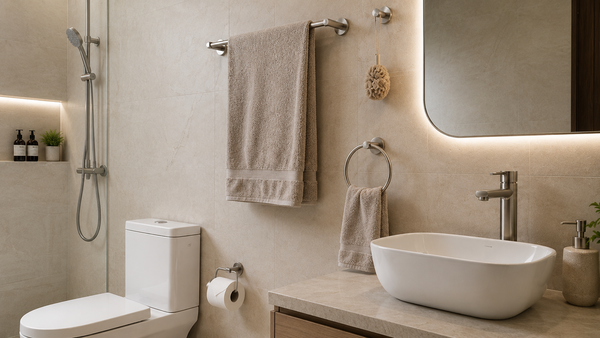
A wash basin, frequently called a "bathroom basin" or "lavatory," is designed specifically for personal hygiene and bathroom environments. It is a central part of any bathroom accessories checklist.
Design-First Hygiene
Unlike kitchen sinks, wash basins are not designed for heavy washing. Their primary use is light hygiene: washing hands, brushing teeth, and facial care. Because these tasks require less volume, wash basins focus on comfort, space efficiency, and visual integration into the bathroom interior.
Key Characteristics of a Wash Basin:
- Compact Footprint: Smaller and shallower than kitchen sinks to save space for other fixtures like the water closet.
- Aesthetic Materials: Often made from ceramic, porcelain,or natural stone
- Furniture Integration: Frequently designed to be paired with a basin cabinet or mirror unit to hide plumbing and provide storage.
-
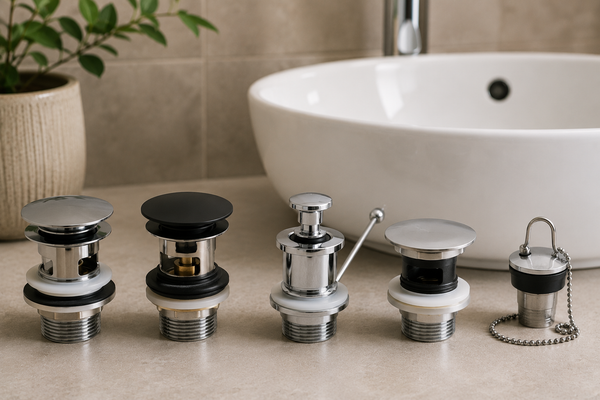
Bottle Trap Drainage: Uses a more compact drainage system (bottle trap) designed mainly for water and soap residue.
Popular Wash Basin Types:
-
Countertop Basin: Sits on top of the vanity, offering a luxurious "hotel" feel.
Wall-Mounted Basin: The ultimate space-saving solution for small bathroom layouts.
- Undermount Basin: Tucked seamlessly under the counter for a minimalist look and easy cleaning.
Key Differences of Sink vs Wash Basin
|
Feature |
Sink (Kitchen/Utility) |
Wash Basin (Bathroom) |
|
Primary Use |
Heavy-duty cleaning & food prep |
Light personal hygiene |
|
Size/Depth |
Large, deep (200mm - 250mm) |
Smaller, shallower (100mm - 150mm) |
|
Material |
Stainless steel, Granite, Fireclay |
Ceramic, Porcelain, Glass, Stone |
|
Design Focus |
Functionality & Ruggedness |
Aesthetics, Comfort & Space |
|
Plumbing |
Large drain for food waste |
Compact drain for soap/water |
|
Typical Mount |
Top-mount, Undermount |
Countertop, Wall-hung, Pedestal |
How to Choose the Right One for Your Space
Choosing between a sink and a wash basin depends on Function, Location, and Space.
When to Choose a Sink:
If your primary goal is utility, choose a sink. It is the only choice for kitchens, laundry rooms, and garages. If you are experiencing poor water flow in your kitchen, you may need to install a water pressure pump to ensure your heavy-duty sink can be rinsed efficiently.
When to Choose a Wash Basin:
If you are designing a bathroom or powder room, a wash basin is the correct selection. It allows you to maximize the basin cabinet storage beneath it.For a more premium setup, a double wash basin combined with a modern rain shower set can create a balanced and spa-like master bathroom experience.
Maintenance and Longevity
Both sinks and wash basins are long-term investments, but they require different care approaches to maintain their finish.
- Kitchen Sink Care: Avoid using abrasive steel wool on stainless steel to prevent micro-scratches. For granite sinks, ensure you rinse away acidic food residue (like lemon or tomato) to prevent surface etching.
- Wash Basin Care: Ceramic basins should be cleaned with non-abrasive liquids to keep the glaze shiny. Regularly check your drainage and bottle trap for hair clogs to prevent water buildup. Follow our sanitary ware cleaning guide for more in-depth tips.
FAQs
Q: What is the main difference between a sink and a wash basin?
A: A sink is designed for heavy-duty tasks like washing dishes and food preparation in kitchens or utility areas. A wash basin is used in bathrooms for personal hygiene such as handwashing and grooming.
Q: Can I use a kitchen sink as a bathroom basin?
A: It is not recommended. A kitchen sink is too large and bulky for bathroom use, while a wash basin is designed to fit bathroom layouts and work with bathroom vanity and basin cabinet setups.
Q: What type of wash basin is best for small bathrooms?
A: Wall mounted or compact countertop ceramic basin options are best for small bathrooms as they save space and allow better use of storage like a basin cabinet.
Q: How do I maintain a wash basin and kitchen sink?
A: Kitchen sinks should be cleaned regularly to avoid stains and food buildup, while ceramic wash basins should be cleaned with non abrasive products to maintain their glossy finish and prevent scratches.
Conclusion
The difference between a sink and a wash basin is not just about the name, it is about how they are used. A sink is designed for heavier tasks such as washing and cleaning, while a wash basin is mainly used for everyday handwashing and personal grooming with more focus on comfort and style. Whether you are searching for a high-durability kitchen sink or a designer bathroom basin, selecting the right sanitary ware is essential. Explore our extensive product catalog to find perfectly matched sink and wash basins for your next project.