1Why the Right Kitchen Sink Matters

The kitchen sink is one of the hardest-working fixtures in any Malaysian home. You wash rice, rinse vegetables, scrub heavy wok and clean up after every meal at it. Pick the wrong size, material or mounting and you end up with a basin that splashes, stains, or doesn't even fit your cabinet, sometimes meaning a costly swap later.
This guide walks you through the five decisions that actually matter: bowl configuration, material, budget, mounting style, and the taps and accessories around the sink. Work through them in order and you'll land on a sink that fits your kitchen the first time.
Not sure where to start?
See the full range in person or online before you decide. Browse Big Bath's kitchen sink collection →
2Start With Your Kitchen, Not the Sink
Quick Answer: Before you fall in love with a sink, measure the base cabinet it has to sit in. The cabinet width sets the maximum sink size, and your countertop material decides which mounting styles are even possible. Get these two numbers first and you rule out every sink that won't fit.
Most sink mistakes happen because people shop by looks instead of measurements. A basin that looks perfect online can be 50mm too wide for your cabinet. Here's how to take the three measurements that matter:
- Measure the base cabinet, not the counter. Open the cabinet under your sink spot and measure its internal width. Your sink's overall width should sit comfortably inside it, leaving room for clips and the tap.
- Note your countertop material. Solid surfaces like granite, quartz or sintered stone can carry an undermount sink. Laminate or tiled tops are better suited to a top-mount.
- Map your tap and accessory holes. Decide now whether you want one hole for the tap, or extra holes for a soap dispenser or filtered-water tap, so the sink you buy matches.
One thing that's very Malaysian and worth planning around: the wet kitchen and dry kitchen split. If your heavy cooking happens in a wet kitchen, that sink takes the real beating and wants a tough, deep stainless bowl. A dry kitchen or island sink is lighter duty, so you have more freedom to choose a material purely for looks.
3Single, 1.5 or Double Bowl: Which Fits How You Cook?
Quick Answer: A single bowl gives you one big basin for soaking large wok and trays, and fits smaller cabinets. A double bowl lets you wash and rinse separately, which suits busy households. The catch is cabinet width: double bowls need noticeably more room, so your space often makes the choice for you.
Bowl configuration is really a question of cabinet width versus how you like to work. A single bowl kitchen sink is the easiest to clean and the most forgiving on space. A double bowl sink trades a little basin size for the ability to separate dirty and clean tasks. A 1.5 bowl sits in between, pairing a large main basin with a small half basin for rinsing.
| Configuration | Min cabinet width (guide) | Best for |
|---|---|---|
| Single bowl | From ~450–600mm | Small kitchens, soaking big wok and trays |
| 1.5 bowl | From ~700–800mm | A main basin plus a rinsing spot |
| Double bowl | From ~800–900mm | Washing and rinsing at the same time |
Indicative guide based on common Malaysian cabinet sizes. Always check the product spec sheet.
Widths vary by model, so treat the table as a starting point and confirm against the actual product spec before you buy. As a rule of thumb, if your cabinet is below 800mm, a single bowl is the safer fit.
Want to compare bowls side by side?
Filter single and double bowl options by size and finish. See the full kitchen sink range →
4Which Sink Material Suits Your Kitchen?
Quick Answer: Stainless steel is the durable, easy clean default for Malaysian kitchens, especially SUS304 grade. Granite or quartz composite resists heat and scratches and comes in colours, ideal for a statement dry kitchen. Ceramic and fireclay give a classic look but can chip. Match the material to how hard the sink will work.
There's no single "best" material, only the best fit for your kitchen. Stainless steel wins on toughness and price, composite wins on looks and quietness, ceramic wins on classic style. The table below compares the everyday qualities that actually matter.
| Material | Durability | Heat & scratch | Upkeep | Best for |
|---|---|---|---|---|
| Stainless steel (SUS304) | Very high | Handles heat; can show fine scratches | Wipe dry to avoid water marks | Wet kitchens, heavy daily use |
| Granite / quartz composite | High | Strong heat and scratch resistance | Wipe after use to prevent staining | Dry kitchens, colour and a quiet feel |
| Ceramic / fireclay | Good | Heat-friendly; can chip on impact | Easy to wipe; avoid dropping heavy pots | Classic and farmhouse-style kitchens |
| Nano-coated stainless | Very high | Steel base; coating resists marks | Hides fingerprints and water spots | A matte black look with steel toughness |
General material comparison for typical home use.
If you go stainless, the steel grade and thickness matter more than the brand name. SUS304 is the grade to look for, as it resists rust and corrosion well in our humid climate. Thickness is described by gauge, and a lower gauge number means thicker, sturdier, quieter steel.
| Gauge | Approx thickness | Sturdiness | Best for |
|---|---|---|---|
| 16-gauge | ~1.5mm |
|
Heavy daily use, quietest feel |
| 18-gauge | ~1.2mm |
|
A solid all-round home choice |
| 20-gauge | ~0.9mm |
|
Light-use or secondary sinks |
Approximate values; thickness varies slightly by manufacturer.
A newer option worth knowing is the nano-coated stainless sink, which keeps the SUS304 toughness but adds a thin coating that hides water spots and fingerprints, handy if you want a matte black finish. For a deeper look at the two most popular options, our granite versus stainless steel comparison breaks down the trade offs.
5How Much Should a Kitchen Sink Cost in Malaysia?
Quick Answer: A basic stainless steel single bowl can start from a few hundred ringgit, while composite and larger double-bowl sinks run higher. As a guide, budget more for thicker steel, bigger bowls, nano coatings and composite materials. The sink is usually one of the smaller line items in a kitchen, so it's worth buying once and buying well.
Prices move with material, bowl size, steel thickness and finish. The bands below are indicative ranges to help you set a budget, not fixed prices, so treat them as a planning tool and confirm the current price on the product page.
| Sink type | Relative price | Indicative range (RM) |
|---|---|---|
| Stainless single bowl |
|
150–600 |
| Stainless double bowl |
|
350–1,200 |
| Nano-coated stainless |
|
450–1,500 |
| Granite / quartz composite |
|
600–2,500 |
Indicative ranges to guide budgeting; check the live product page for current pricing.
Because the sink is a long-life fixture you touch every day, it's one place where spending a little more on thicker steel or a better coating tends to pay off over the years.
6Top-Mount, Undermount or Farmhouse?

Quick Answer: Top-mount sinks drop into a hole in the counter and fit almost any countertop, the easiest option to install or replace. Undermount sinks sit below a solid countertop for a seamless look and easy wipe down. Farmhouse sinks show an exposed front for a statement look but usually need a matching cabinet.
How a sink mounts decides its look, which countertops it works with, and how easy cleanup is. Here's how the three common styles compare:
- Top-mount (drop-in). The rim rests on the counter, so it suits laminate, tile and solid surfaces alike. Easiest to fit and the simplest to swap if you're replacing an old sink.
- Undermount. Fixed beneath a solid countertop like granite or quartz, leaving no rim. You can sweep crumbs and water straight in, but it needs a stone or solid surface top.
- Farmhouse (apron-front). A deep basin with an exposed front panel. It's a design feature in its own right, though it usually calls for a cabinet built to take it.
If you're simply replacing an existing sink without changing the countertop, a top-mount is almost always the smoothest path. Plan an undermount or farmhouse sink at the design stage, when the cabinet and countertop can be matched to it.
7Taps, Drains and Accessories That Earn Their Place
Quick Answer: Make sure your sink's tap holes match the tap and any extras you want, like a soap dispenser or filtered-water tap. A good drain and overflow keep things hygienic, and add-ons such as a cutting board or drying rack stretch a small counter. Buy accessories that fit your sink model, not generic ones.
The fittings around the sink quietly shape how easy it is to live with. A few things worth checking:
- Tap-hole layout. Some sinks come pre-punched for the tap; others let you choose where holes go. Confirm you have a hole for every fitting, including a side soap dispenser or filtered-water tap.
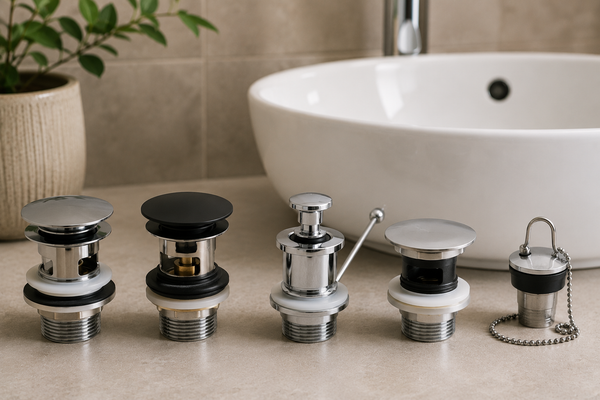
- Drain and overflow. A smooth draining waste with a strainer keeps food bits out of the pipe, and an overflow helps prevent spills.
- Practical add-ons. Cutting boards, colander baskets and roll-up drying racks that sit over the bowl turn a single sink into a small prep station, handy in compact Malaysian kitchens.
- Statement designs. A waterfall sink with a stepped basin is a striking option if you want the sink to be a focal point rather than just a workhorse.
Wherever possible, choose accessories made for your specific sink. They sit flush, drain properly and last longer than generic pieces that almost fit.
8The Bottom Line
Quick Answer: Choose your kitchen sink in order: measure the cabinet, pick the bowl configuration, match the material to how hard it'll work, set a budget, then settle on mounting and tap holes. Get those right and the sink will serve you well for years.
A good kitchen sink should make cooking and cleaning easier and suit the way your kitchen actually runs. Start with the cabinet measurement, choose between single and double bowls, pick a material that fits your wet or dry kitchen, then finish with mounting style and the right tap holes. If you want a hand, our bathroom and kitchen buying guides walk through other fixtures the same way.
With over 46 years in Malaysian homes, 15,000+ five-star Google reviews and showrooms nationwide, Big Bath can help you compare sinks in person or online and find one that fits your space and budget.
Ready to find your perfect kitchen sink?
Tell us your cabinet size and how you cook, and our team will help you shortlist the right bowl, material and mounting, in any Big Bath showroom or over WhatsApp.
Get sink advice from Big Bath →9Frequently Asked Questions
1. What is the best kitchen sink material for Malaysian homes?
For most homes, SUS304 stainless steel is the best all-round choice. It's durable, resists rust in our humid climate, and is easy to clean, which suits busy wet kitchens. Granite or quartz composite is a strong pick for a dry kitchen where colour and a quiet feel matter more than rough daily use.
2. Should I choose a single or double bowl sink?
It comes down to cabinet width and how you cook. A single bowl gives one large basin for soaking big wok and trays and fits smaller cabinets. A double bowl lets you wash and rinse separately, which suits busy households, but needs a wider cabinet, usually from around 800mm.
3. What size cabinet do I need for my kitchen sink?
Measure the internal width of the base cabinet first. As a guide, single bowls suit cabinets from about 450 to 600mm, while double bowls usually need 800mm or more. Always check the specific sink's spec sheet, since the sink must sit inside the cabinet with room for clips and the tap.
4. Is a nano-coated stainless steel sink worth it?
If you like a matte black finish and hate seeing water spots and fingerprints, yes. A nano-coated sink keeps the SUS304 steel base underneath, so you get the same toughness with a coating that hides marks and is easy to wipe down. It typically costs a little more than a plain stainless sink.
5. Undermount or top-mount, which is easier to install?
Top-mount is easier. It drops into a hole in the counter and works with almost any countertop, so it's the simplest option when you're replacing an old sink. Undermount looks seamless and wipes down easily, but it needs a solid countertop like granite or quartz and is best planned at the design stage.